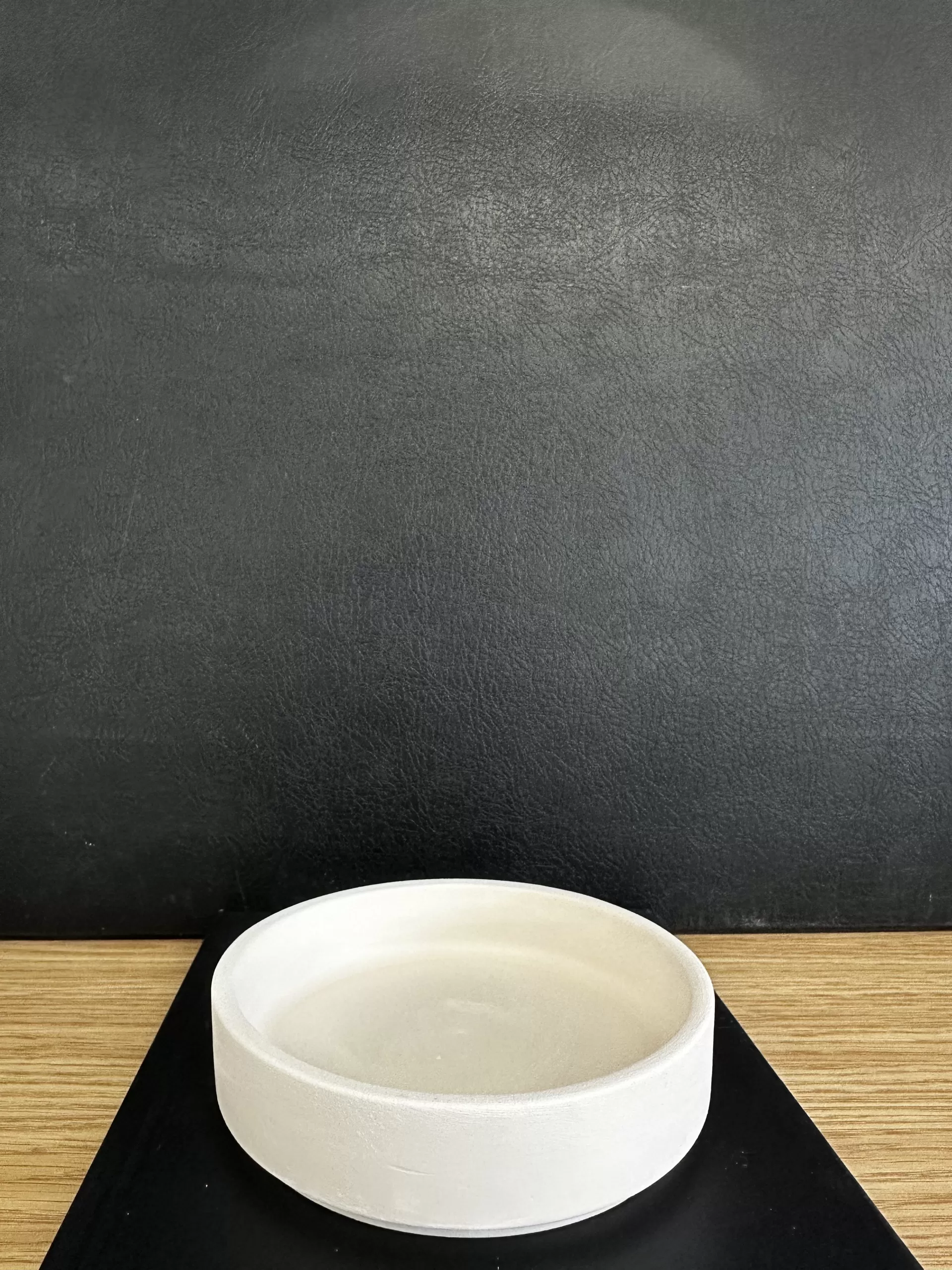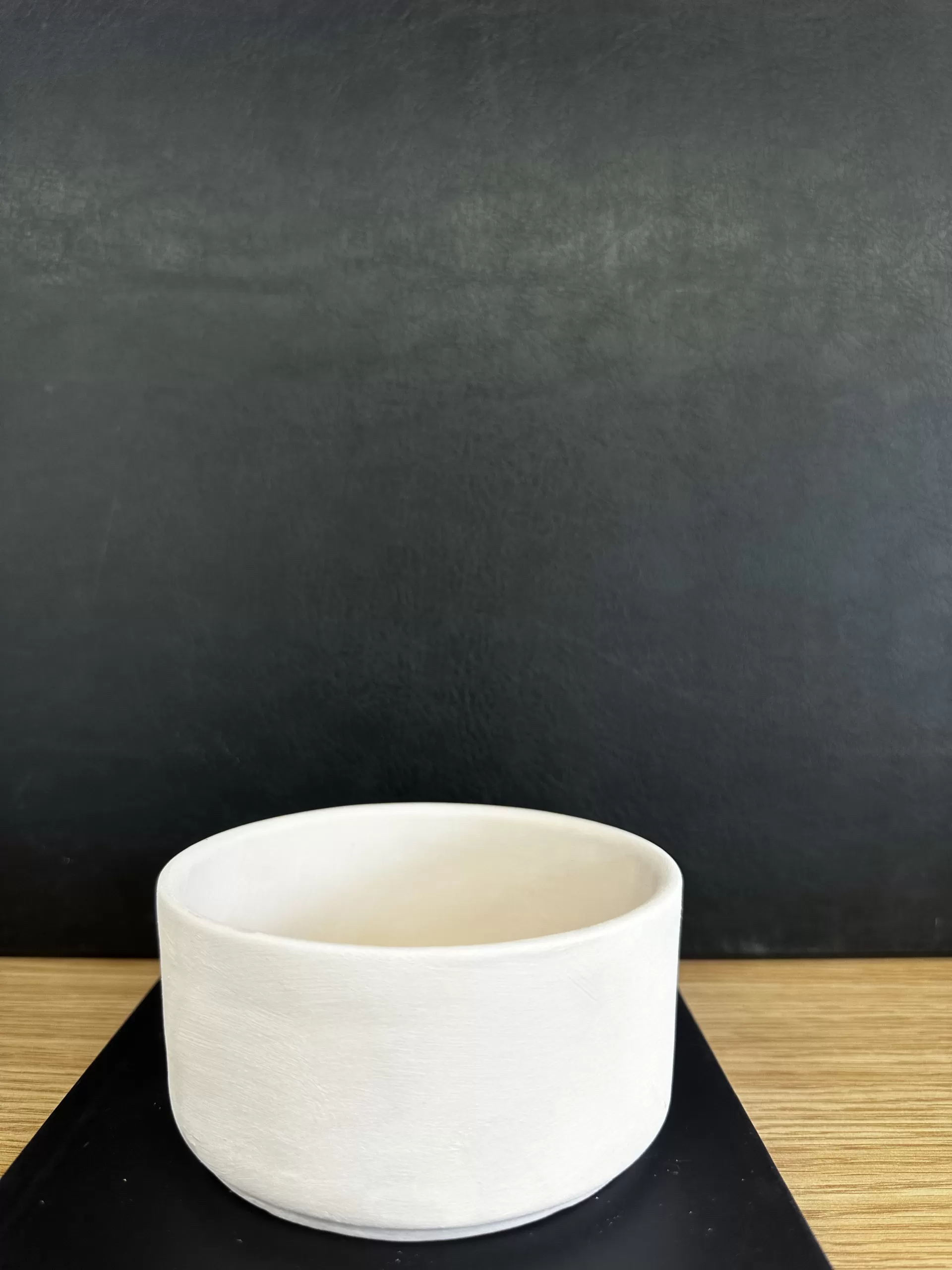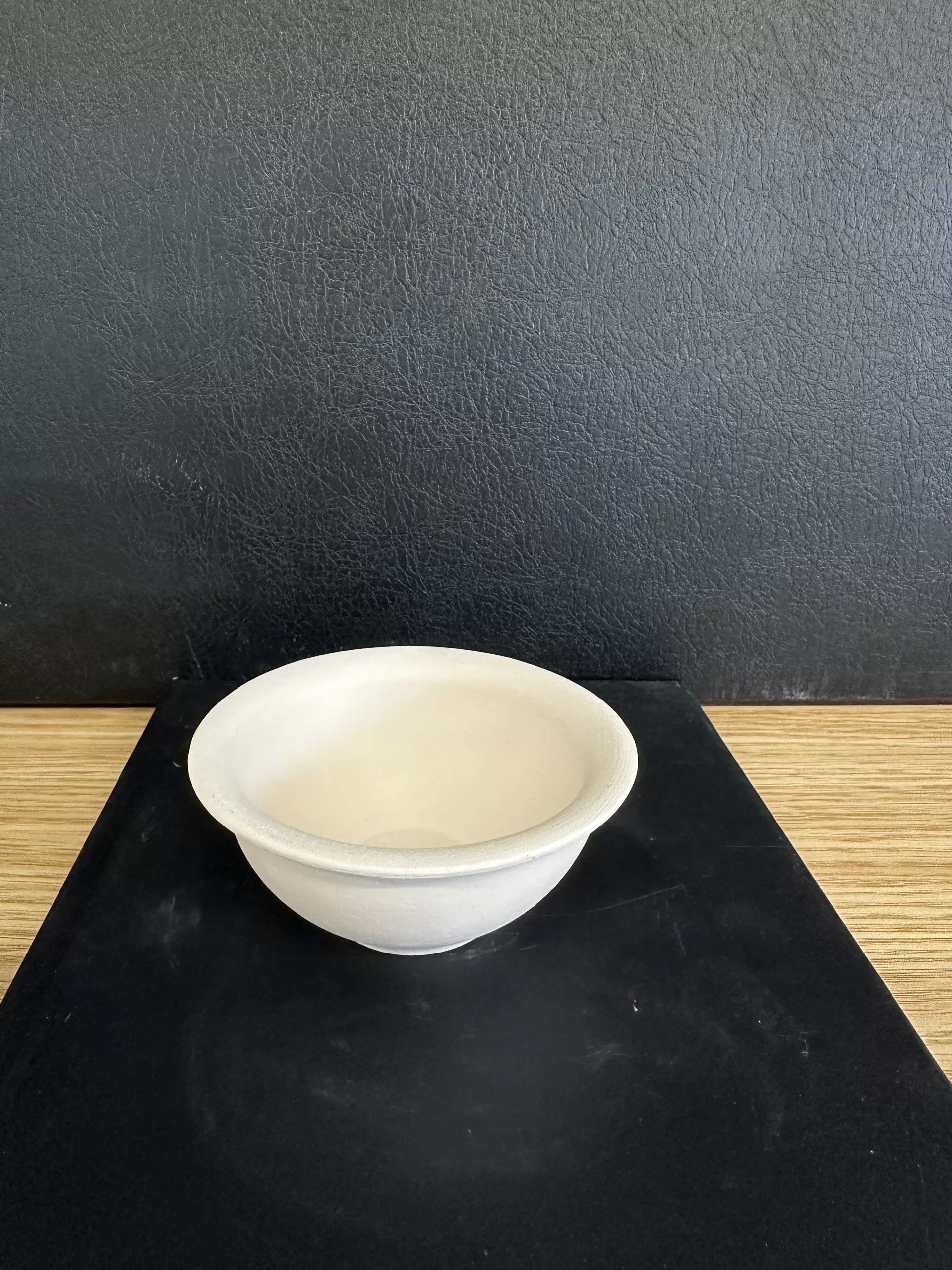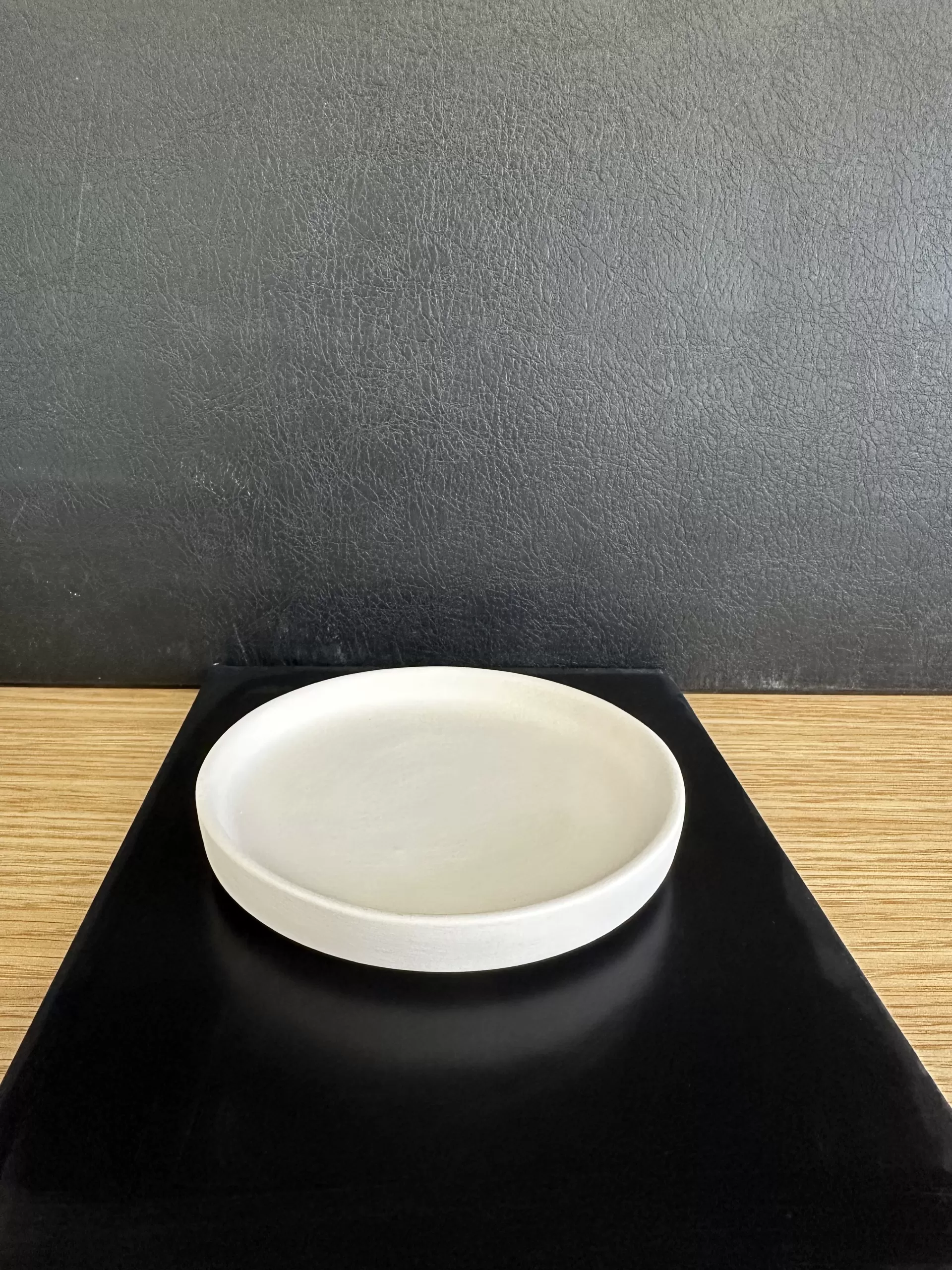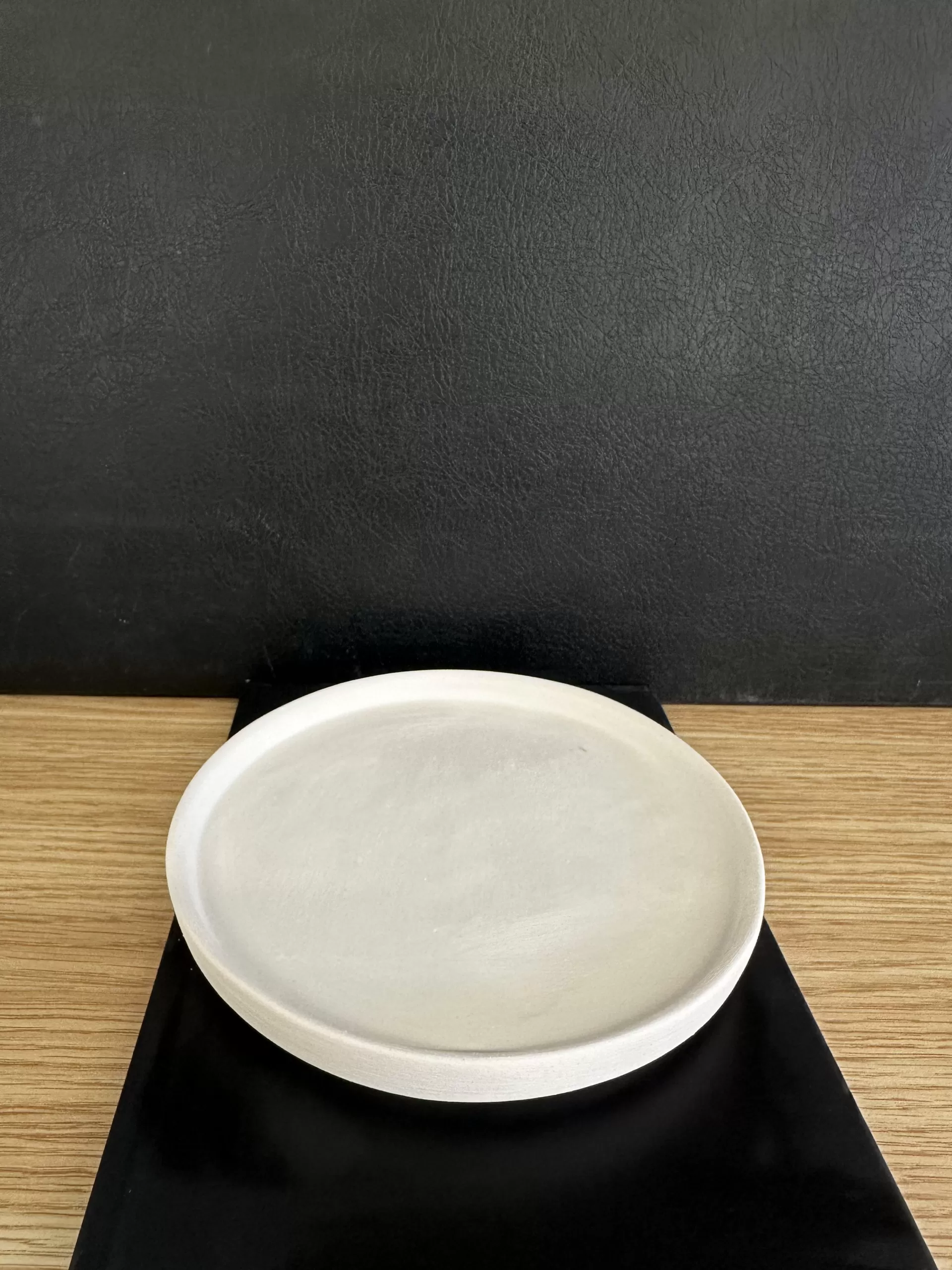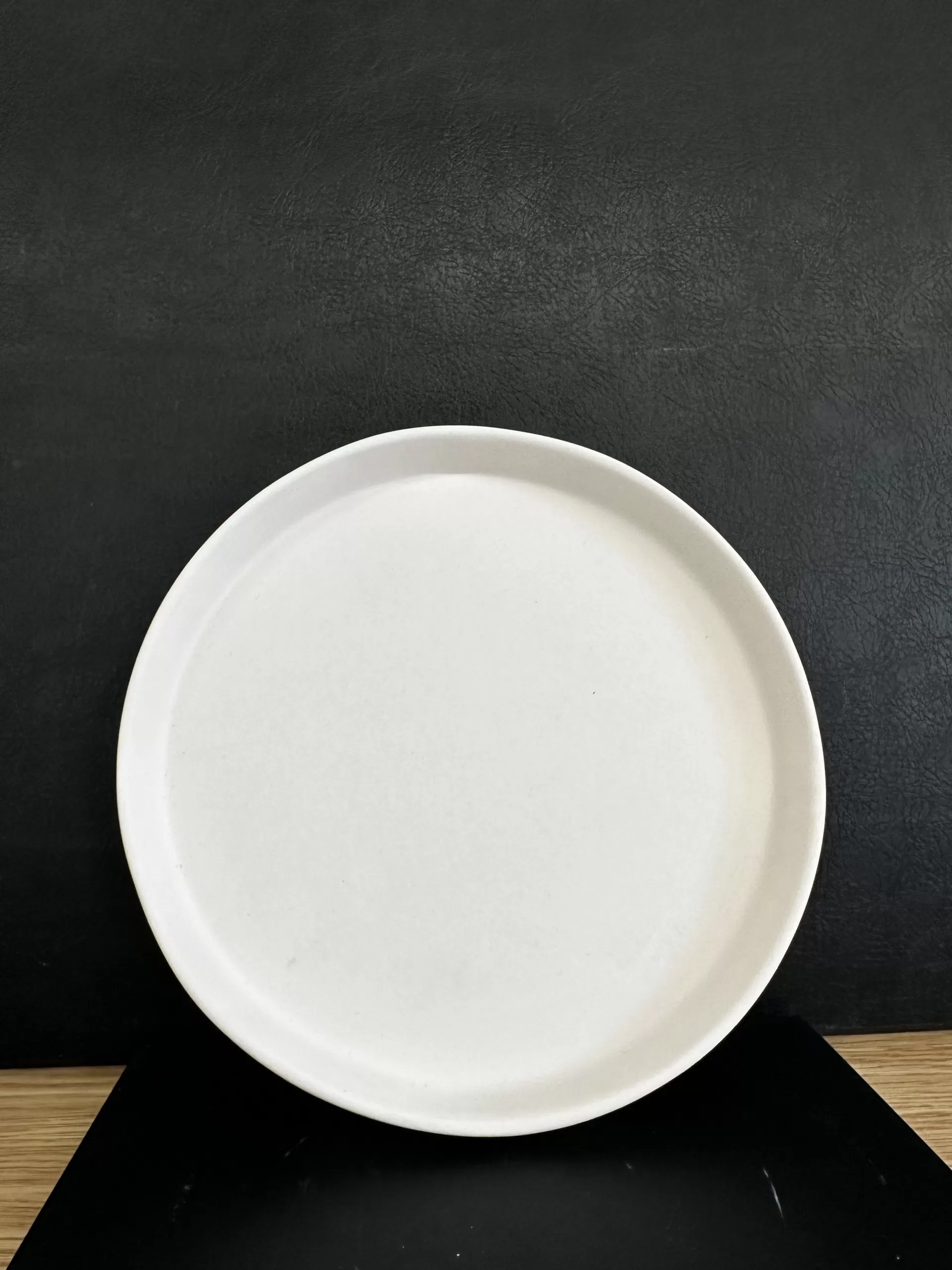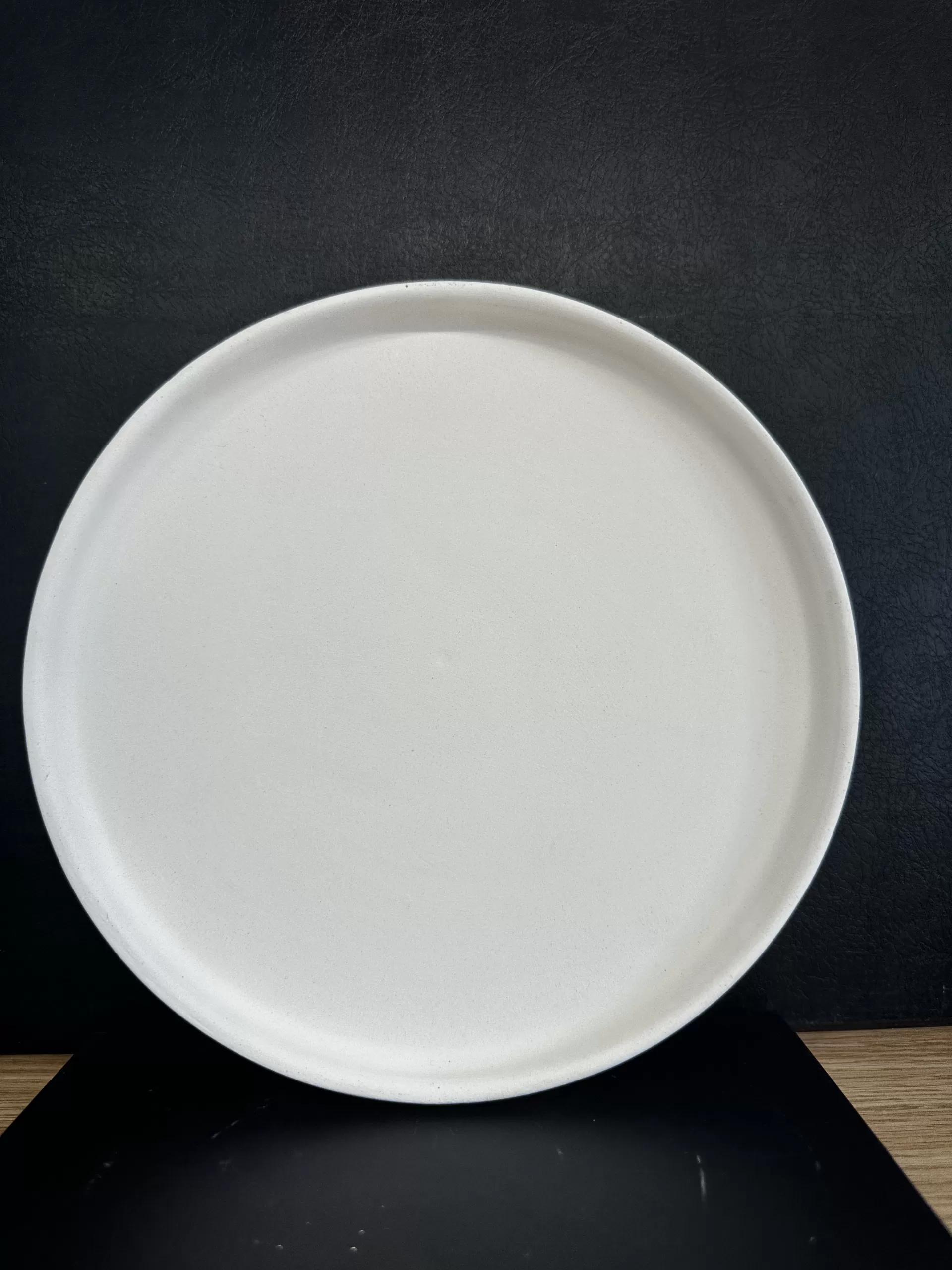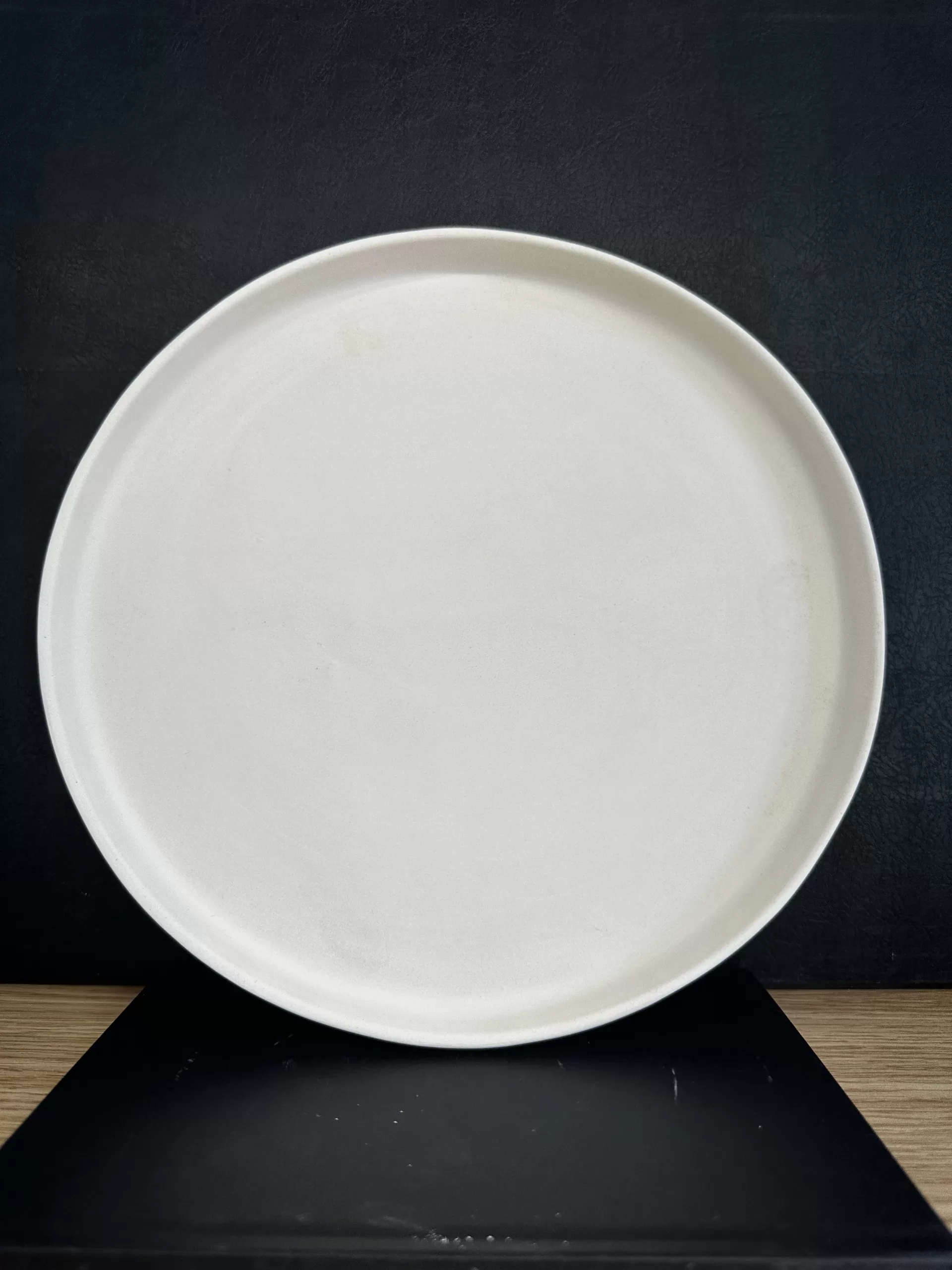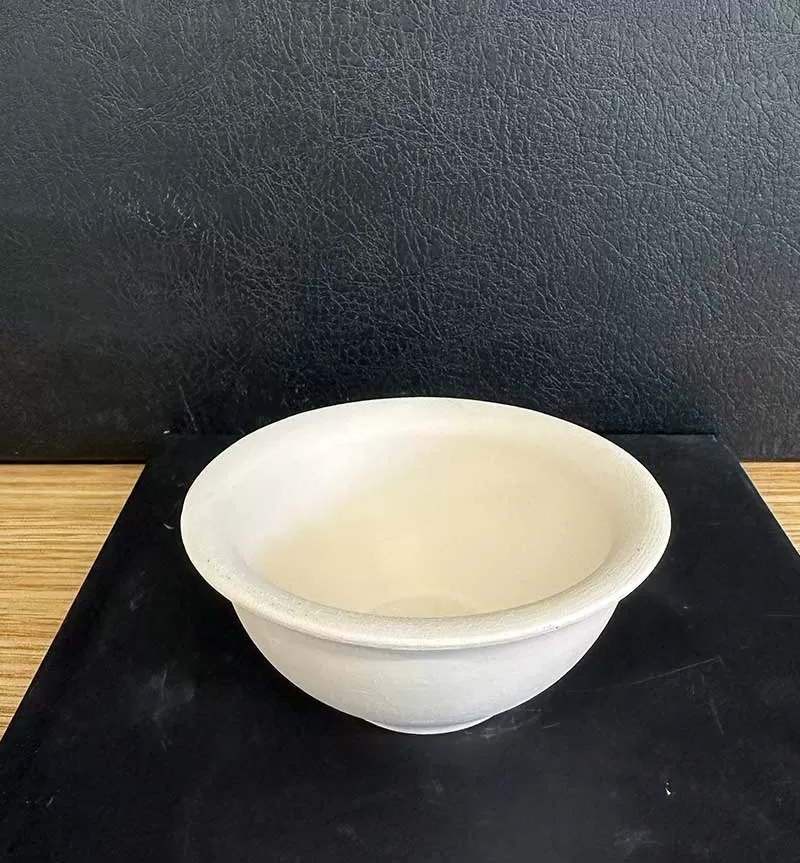
Guide for Working and Application with Ceramic Bisque Products:
Surface Preparation: Before starting the application, gently clean any potential dust on the bisque with a slightly damp sponge. This ensures that the paint and glaze adhere better to the surface.
Painting and Decoration: Bisque surfaces are ideal for water-based ceramic paints, oxides, and underglaze decoration techniques. Thanks to their high absorption properties, your brushstrokes will remain sharp and permanent.
Glazing: After completing your design, you can ensure the product's water resistance and brilliance by applying a glaze layer suitable for bisque (lead-free and food-safe glazes are strongly recommended).
Second Firing (Glaze Firing): Painted and glazed bisque products must reach their final form through a second firing, according to the technical specifications of the glaze you use (usually between 1040-1200°C).
Storage: Bisque products that have not yet been glazed are porous; therefore, contact with oily substances or dusty environments should be avoided.
Technical Protection and Safety Warning:
Ceramic bisques are extremely fragile and not resistant to water until the glaze firing is completed. Protect the product with extra care against drops and hard impacts.
Since vitrification (glazing) has not yet occurred, do not use the bisque form for food presentation or fill it with liquids in this state.
Working with clean hands or gloves to prevent natural oils from your fingers from transferring to the bisque surface will prevent the glaze from "crawling" (peeling away) on the surface.
To prevent the product from sticking to the kiln shelves during firing, ensure that any glaze on the foot ring (bottom edges) is thoroughly cleaned off.